The people shaping our story.
Casa Oraya is made through encounters.
Every person who has become part of this story is someone with whom something has first been shared — a friendship, a journey, a practice, a moment of trust, something sacred, or simply time spent together.
Over time, some of these encounters have grown into collaborations, and many into friendships. Each person brings their own knowledge, sensitivity, way of creating, accompanying or transmitting something they have learned through life.
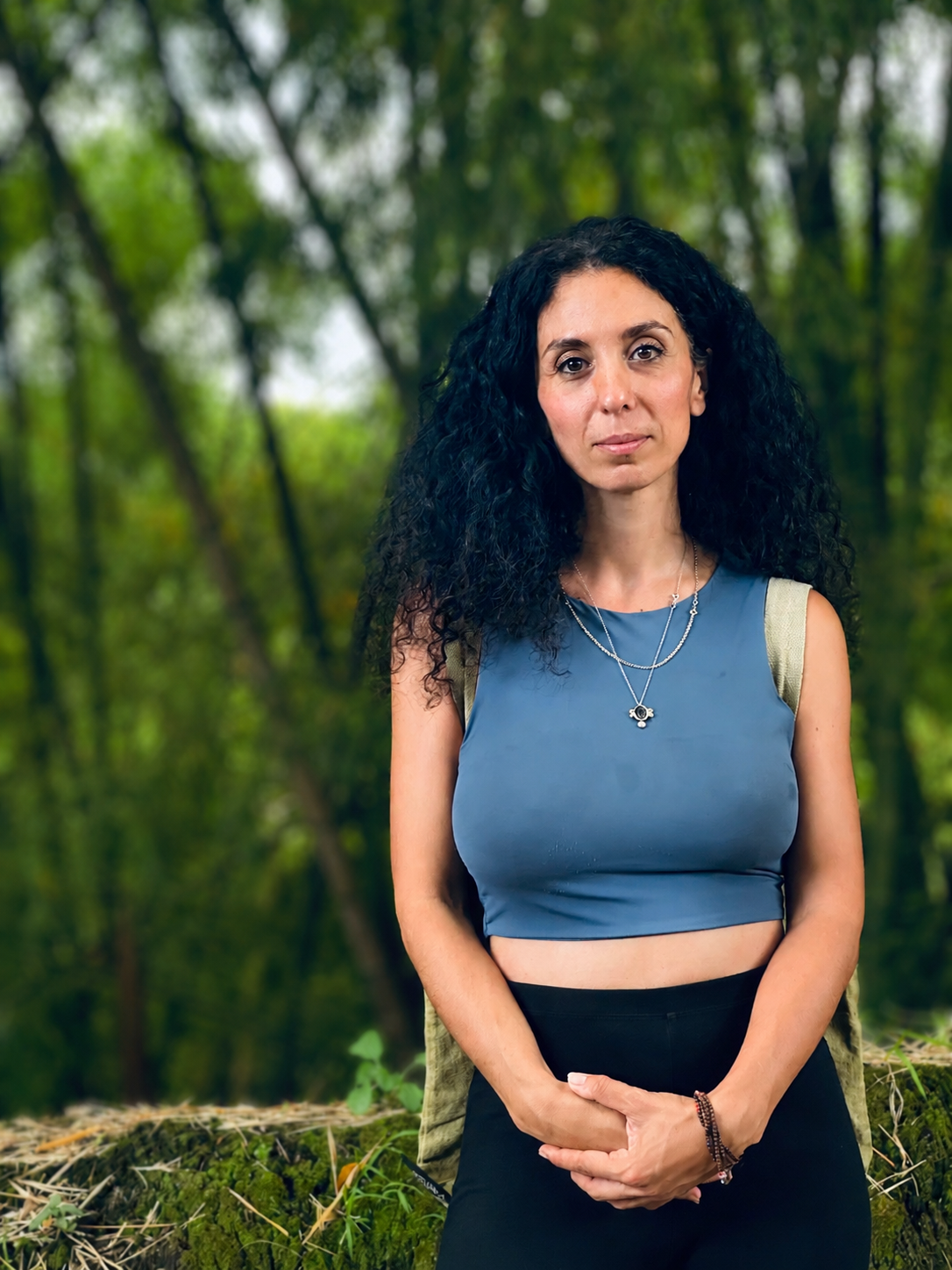
Founder of Casa Oraya
Virginie
“Create enough space to listen again”.
Casa Oraya began as something deeply personal, and it continues to evolve in the same way: through experience, encounters and the questions that keep opening along the way.
I carry the vision of Casa Oraya, choose the places, the people I collaborate with and the way each retreat or journey is held. But I do not experience the project as something fixed. It changes with me, with what I learn, with the people I meet and with the relationships that deepen over time.
What matters most to me is creating spaces where people can slow down, listen, question, and meet their experience without being told what it should mean. During retreats, my role is also very human: being present, listening when someone needs to speak, sharing reflections when they may be useful, and accompanying without taking the place of the person living the experience.
Much of Casa Oraya has grown from this way of moving through the world. A meeting becomes a friendship. A friendship becomes a collaboration. A place opens the door to another person, another family, another way of seeing. Little by little, these relationships become part of the experiences I share with participants.
In that sense, I may have founded Casa Oraya, but I do not feel that I create it alone.
Mauricio
“Shamanism is the art of living.”
Mauricio occupies a particular place in the story of Casa Oraya. Our relationship began through the medicine, but over time it became something much broader: a collaboration, a friendship, and a continuous exchange about the way we live, accompany others and relate to what surrounds us.
He comes from a rural, campesino environment in Colombia, and his practice has grown through his own path, experience and relationship with plants and medicine. What he shares belongs to that personal history, rather than to an Indigenous lineage claimed by Casa Oraya.
What has always touched me in Mauricio’s way of working is that the medicine is never separated from life itself. His songs, his presence, his attention to each person and the way he observes what is happening are central to the spaces he holds. But perhaps what connects most deeply with Casa Oraya is something simpler: the idea that what happens in ceremony only has meaning if it can eventually find a place in the way we live.
Our collaboration has continued to grow organically. Through Mauricio, I have also encountered people, places and relationships that have gradually become part of Casa Oraya’s story. In that sense, meeting him did not only open a collaboration — it opened a whole landscape of relationships.
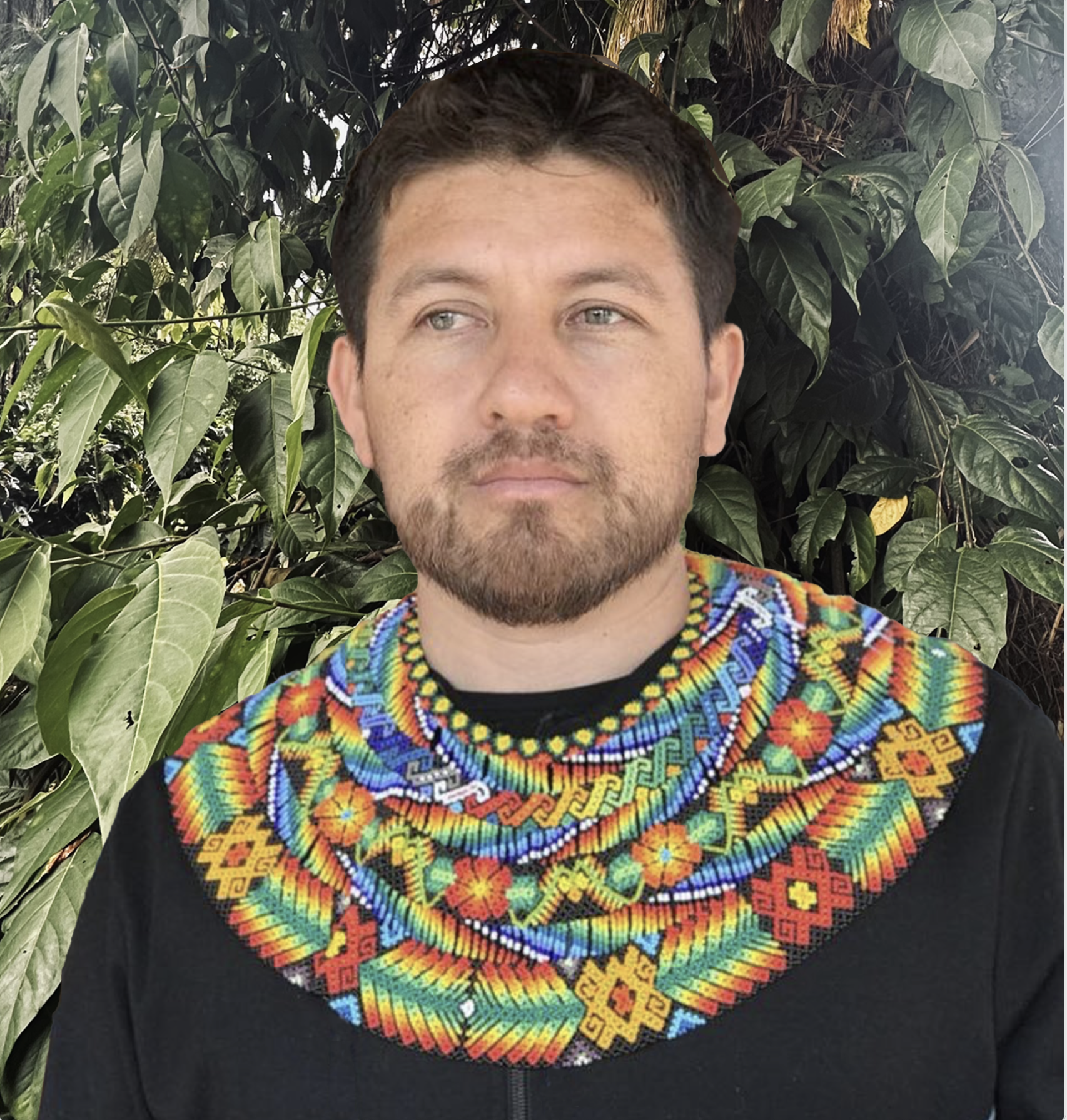
Curandero · Colombia
“Shamanism is the art of living.”
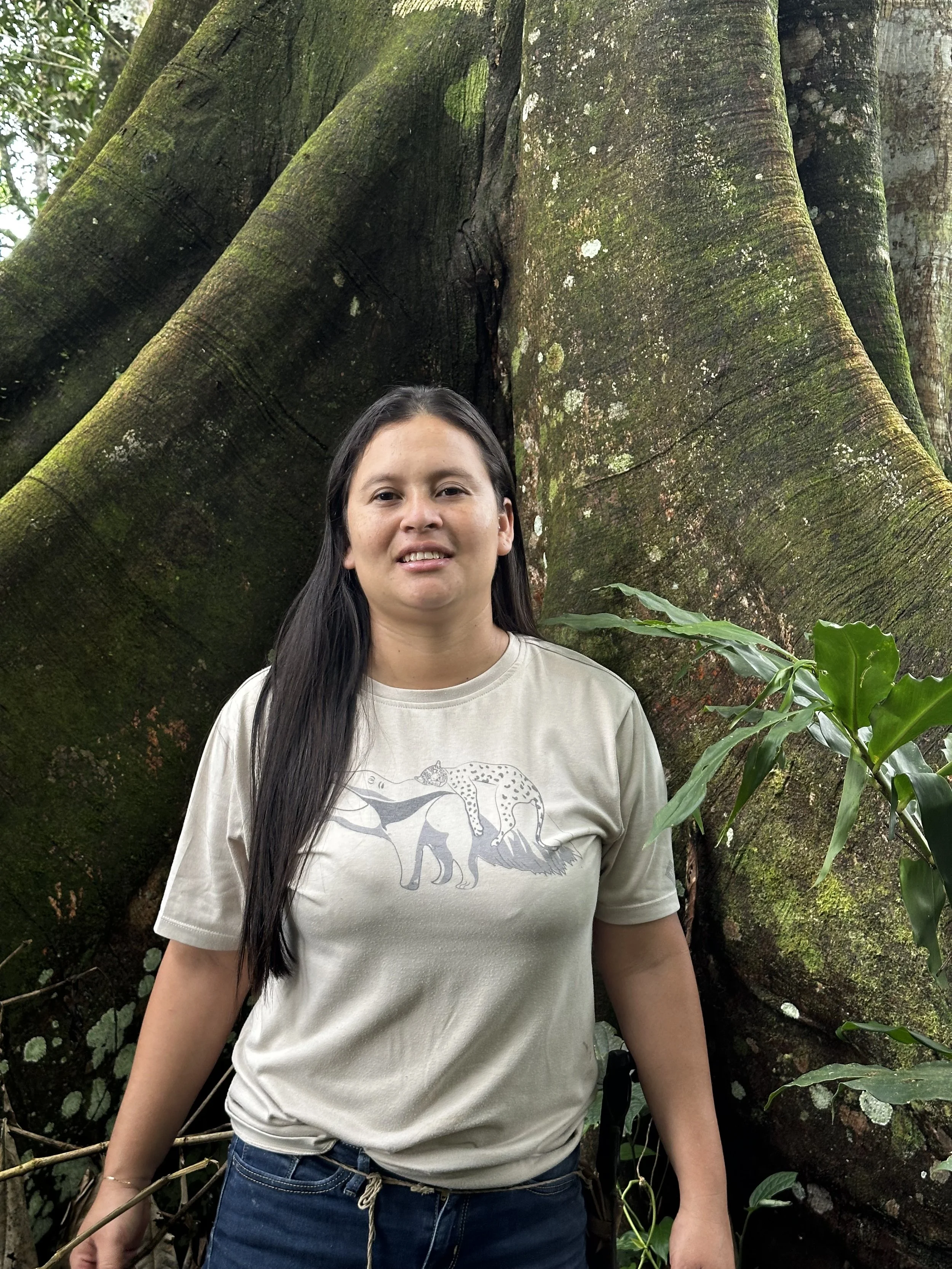
Bees, honey & biodiversity — Putumayo, Colombia
Natalia
“To care for the bees is to care for the life around them.”
I met Natalia during the time I spent learning alongside Mauricio in Colombia. She is Mauricio’s sister, and through him I was welcomed into their family and discovered the work she has developed around angel bees, honey and the living environment that surrounds them.
What touched me was the care she gives not only to the angel bees themselves, but to the ecosystem that allows them to thrive. She plants flowers to nourish them and pays close attention to the biodiversity around them, seeing the bees as part of a much larger web of life.
During our journeys, Natalia introduces participants to this world before any ceremony begins. She takes time to share her relationship with the bees, explain their place in the ecosystem, and offer the eye application that forms part of her practice.
Her work also leads naturally toward cacao. Natalia opens cacao spaces, but the cacao itself carries another family story — one that begins with the person who cultivates and prepares it: her mother, Doña Leo.
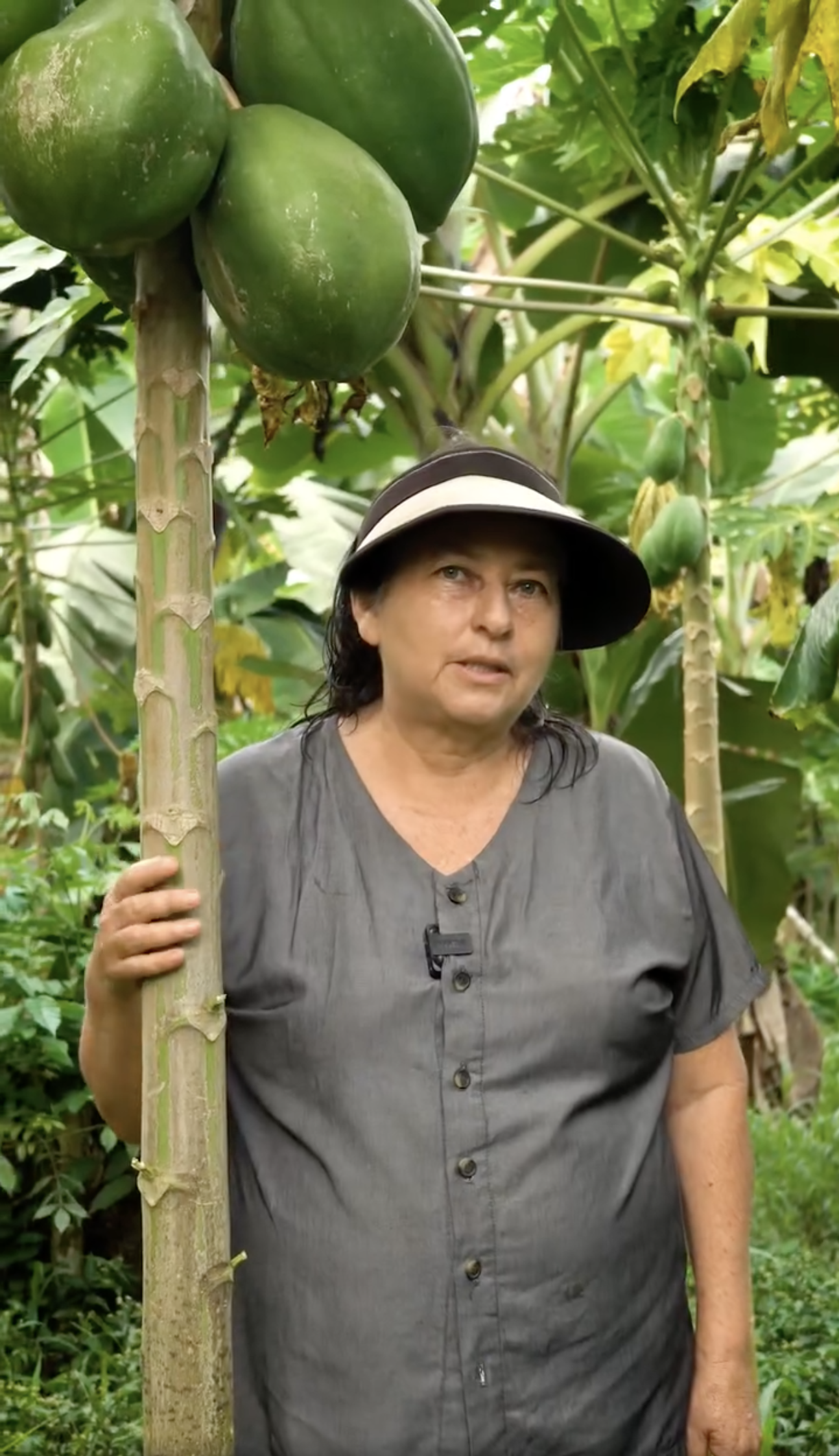
Organic cacao, craftsmanship & rural knowledge — Mocoa, Putumayo
Doña Leo
“Cacao is something you care for, learn from, and grow with.”
I met Doña Leo during the time I spent learning alongside Mauricio in Colombia. One of the moments I remember most vividly was sitting together around the table, shelling cacao by hand, breathing in the aromas as she roasted it and worked through each stage of the process.
Those moments were never only about cacao. Around the table, stories were shared — about life, family, the territory, the land, and the way they relate to it. There was something very simple and very rich in that exchange: hands working, cacao opening, conversations unfolding, and time moving at another rhythm.
Doña Leo — Leonor Fajardo — is the founder of Cacao Doña Leo, a family-run artisanal cacao project at Finca Campo Alegre, in Rumiyaco, near Mocoa. Her work grows from rural knowledge, manual practice and a close relationship with the land.
What struck me most is the way Doña Leo speaks about cacao. There is affection in it, almost tenderness. She does not relate to it simply as a crop or a product, but as something she continues to care for, study and discover. She is always exploring new ways of working with it, transforming it into different preparations and expressions, from everyday cacao products to ceremonial cacao.
What I value most is being able to share this kind of encounter with the people who travel with Casa Oraya. Not only the finished cacao, but the process, the gestures, the stories, and the person behind it. Spending time with Doña Leo offers another way of understanding the territory — through something grown, transformed and cared for over time.
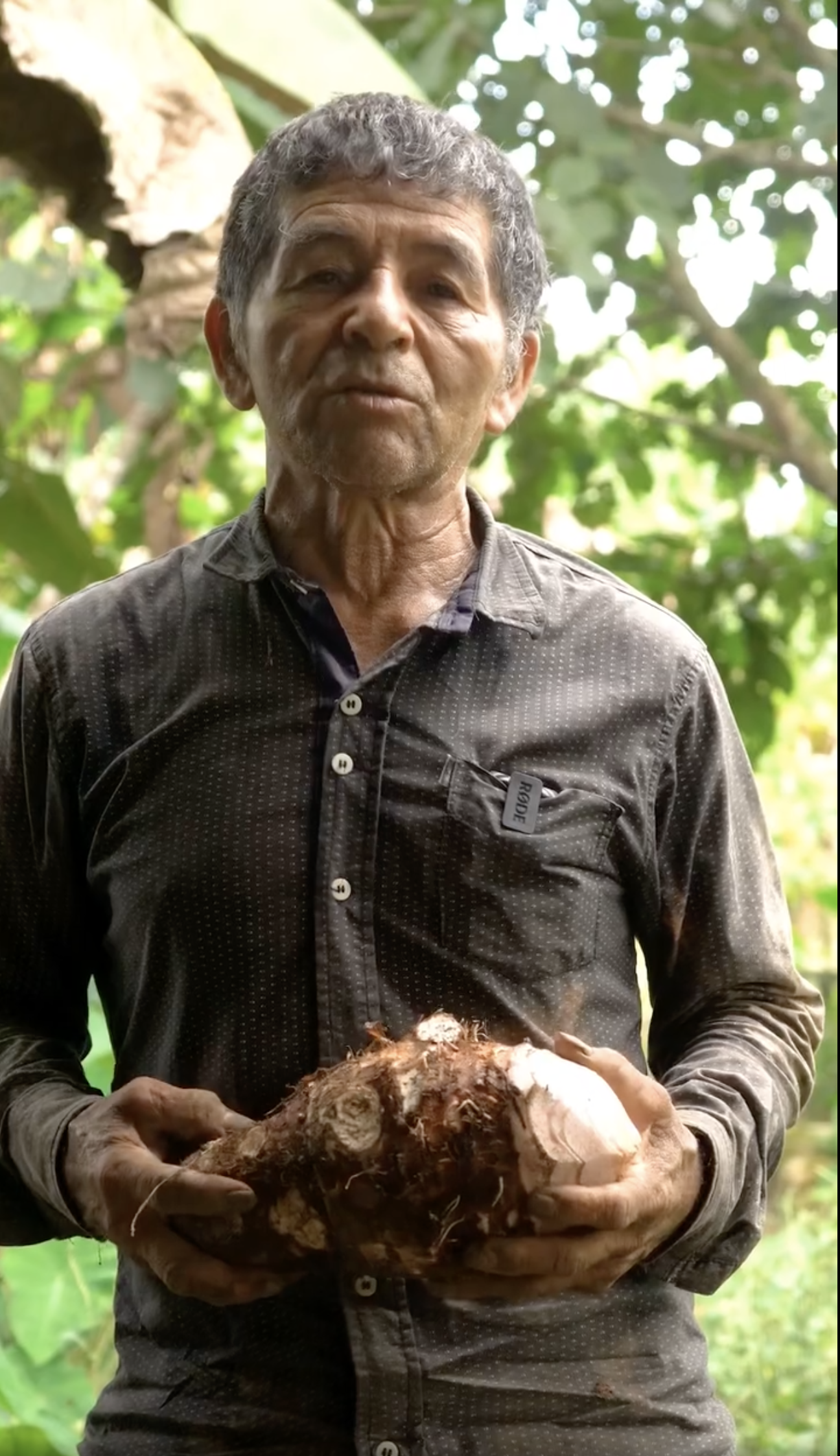
Permaculture, soil & rural life — Mocoa, Putumayo
Don Segundo
“Paradise is here. We create it through the way we care for the land.”
Don Segundo is one of those people whose presence is immediately felt through simplicity, generosity and a deep love for life. He is deeply connected to the land, to his family, and to the work of cultivating in a way that feeds people while also leaving space for animals, plants and the wider ecosystem.
Over the years, he has transformed his land into a rich permaculture environment, guided by the idea that caring for the earth is also a way of caring for life itself. His work is patient, physical and constant — planting, observing, improving the soil, adapting, and allowing the land to become more abundant over time.
One of the memories I hold most dearly of Don Segundo is very simple. During the time I was learning about plants with Mauricio, I would pass by the small shelter where he was peeling yuca after the ceremonies. I would stop, we would talk, and those conversations stayed with me. There was nothing formal about them — just two people sharing words, quietly and naturally. Familiar, grounded, humble. Moments like these remind me that some of the most meaningful exchanges happen in the simplest places.
Don Segundo often says that paradise is already here, and that it is our responsibility to create it through the way we live, cultivate, care and relate to one another. There is a lot of humility in the way he shares this, but also a quiet wisdom and a generosity that can be felt in the way he welcomes people.
He is one of the pillars of the family, and his relationship with ayahuasca is part of his personal path. But what he shares with Casa Oraya goes far beyond that. Through him, participants encounter another way of understanding the territory — through soil, food, work, family, and the simple act of putting oneself in service to the land.
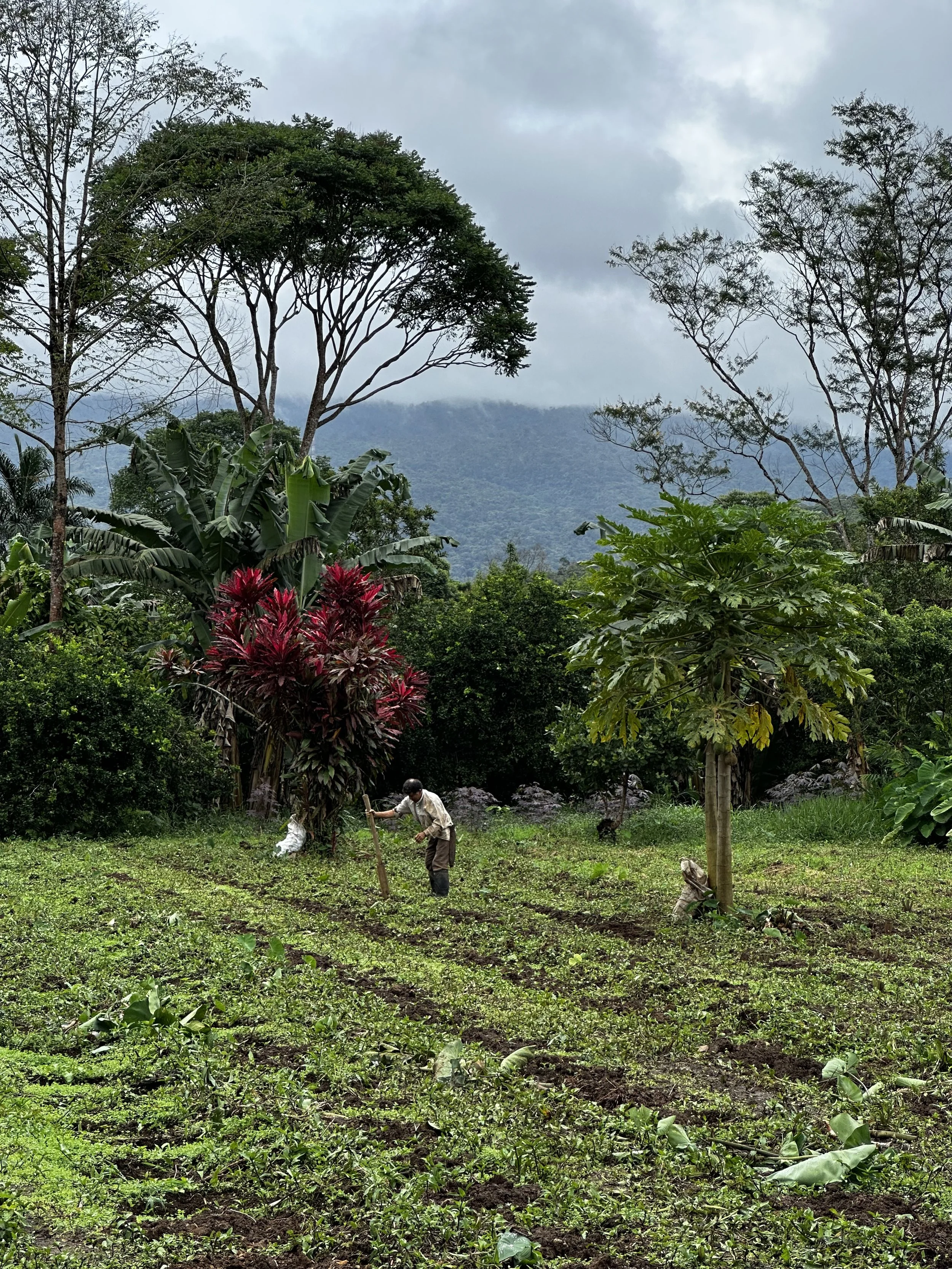
“some of the most meaningful exchanges happen in the simplest places”
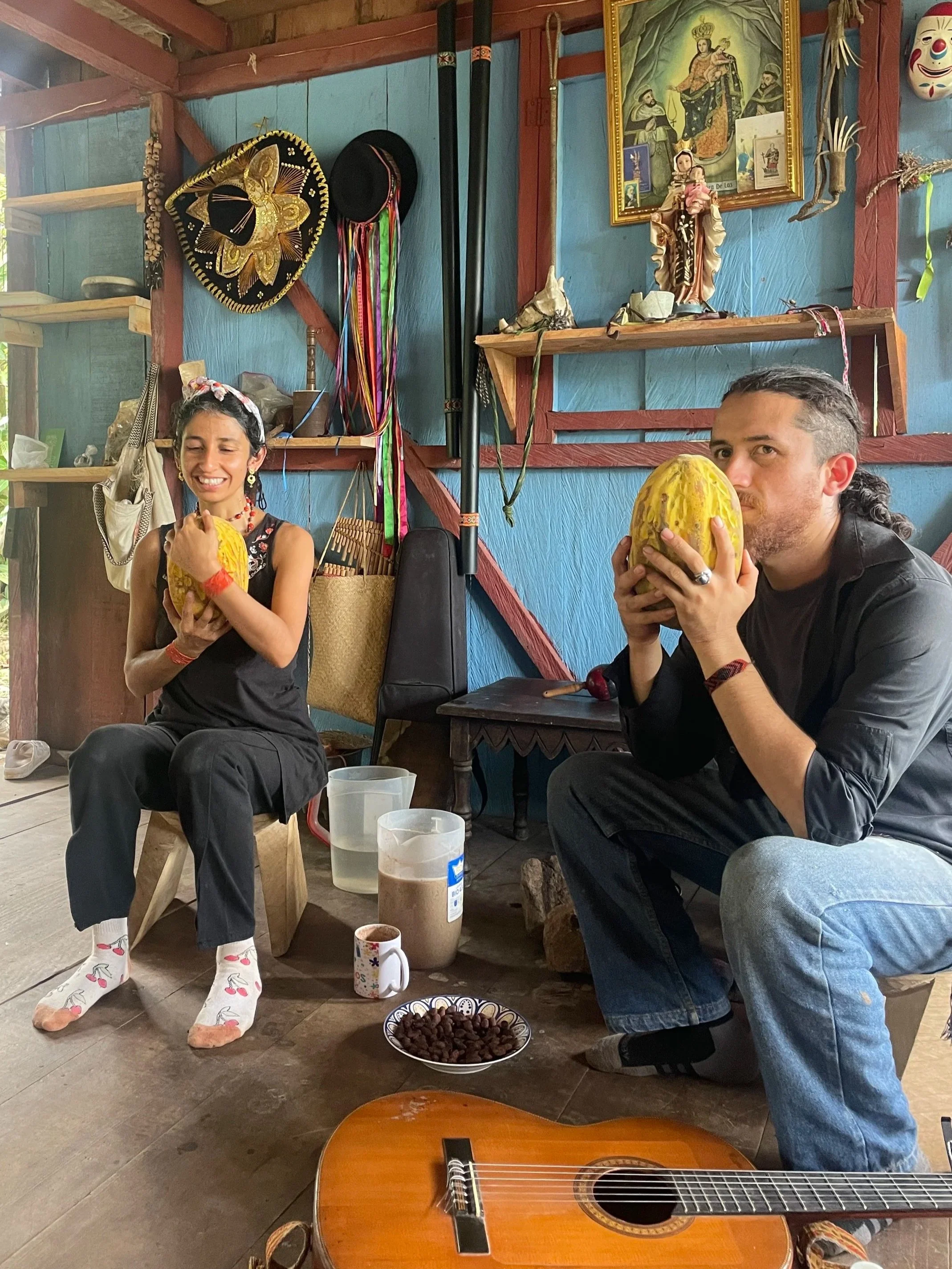
White cacao, farming & shared work — Putumayo, Colombia
Tania & Daniel.
“The land you care for, cares for you.”
I first met Tania through someone whose role in my path was simply to connect us. I often think that some people pass through our lives for exactly that reason — to create a bridge that allows another encounter to happen. This was the beginning of my relationship with Tania and Daniel.
Together, they have built La Realidad, a cacao finca shaped by years of work, patience and love for the land. Their approach is based on regenerative and syntropic agriculture: rather than forcing the soil to produce, they work with diversity, water, shade, time and the relationships between many different plants to allow an ecosystem to rebuild itself.
Walking through their finca, cacao is never isolated from everything around it. It grows among a wider living system, alongside dozens of other species. Their work reflects a simple idea that resonates deeply with Casa Oraya: caring for what we cultivate also means caring for the conditions that allow life around it to continue.
They grow different varieties of cacao, including the maraco cacao, known locally as a white cacao and sometimes described as the “mother of cacao”. Spending time with them allows participants to follow the cacao beyond the finished product — from the tree and the fruit to harvesting, transformation and tasting.
What touches me most is that their reserve is visibly the fruit of their labour. It is not an idealised idea of living close to nature, but something built slowly through work, observation, experimentation and commitment. Their relationship with the land has become part of the encounters I want to share through Casa Oraya:
meeting people not only through what they produce, but through the way they have chosen to live and care for a place.
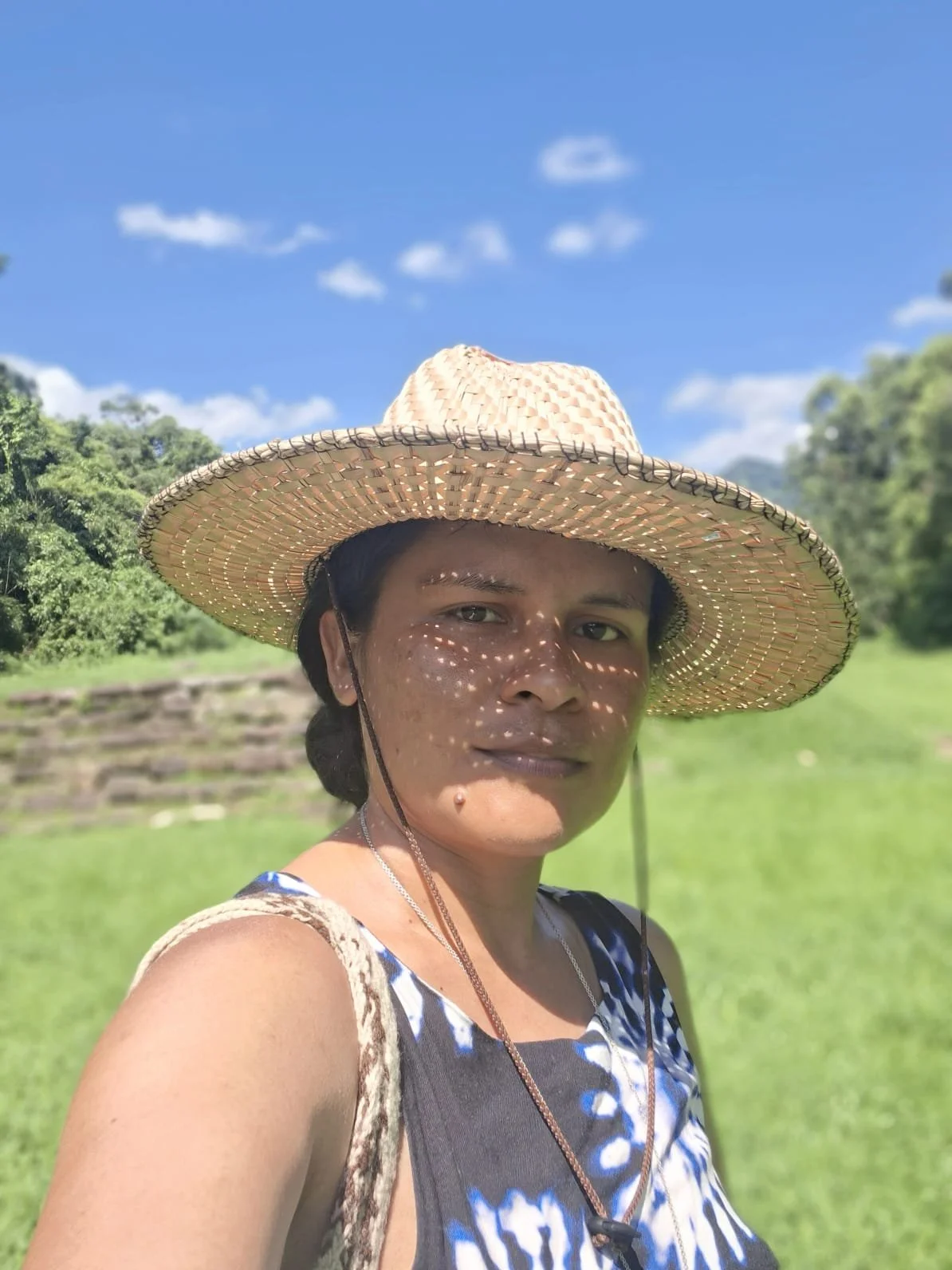
Temazcal, tobacco & ancestral practice — Putumayo, Colombia
Lorena
“We return to the earth to remember that we belong to her.”
A few days before travelling to Colombia, I was walking along the beach and I remember asking for one thing very clearly: to meet someone special who could hold a temazcal for us — someone whose way of working felt truly particular.
When I arrived in Colombia, before welcoming participants, I first took time for my own inner work. During one of my ceremonies with the abuelo, Lorena was there assisting him. We began talking, connected very naturally, and I discover that she herself had received the teachings of temazcal and had planted her own.
For me, the meeting felt deeply aligned. What I had been quietly hoping to find appeared through a very simple encounter, and it soon became obvious that I wanted to share this space with the people travelling with Casa Oraya.
Lorena received the teachings of temazcal through a woman who transmitted this practice to her. In her understanding, a temazcal is not simply built: it is sembrado — planted — through a process of preparation, permission and responsibility before it can be held for others.
Her way of guiding is deeply sensitive, soft and feminine, while also carrying great depth. She accompanies the temazcal through song, silence, heat and attention to the stones she calls las abuelitas. For her, entering the temazcal is a way of returning to the womb of Mother Earth — a symbolic return to the body, to the land, and to a place from which something can begin again.
What touches me most is the gentleness of her approach. Nothing feels forced. The heat, the songs and the rhythm of the ceremony create a space where people may gradually soften, listen more closely and allow themselves to be held by the earth beneath them.
The experience can continue to resonate long after the temazcal itself is over. In Casa Oraya journeys, we therefore leave space afterwards for rest, integration and whatever may still be unfolding.
Lorena also works with sacred tobacco, which she introduces within the context of her own practice and understanding. Through her, participants encounter another relationship with the elements, the body and the land — one rooted in respect, transmission and presence.
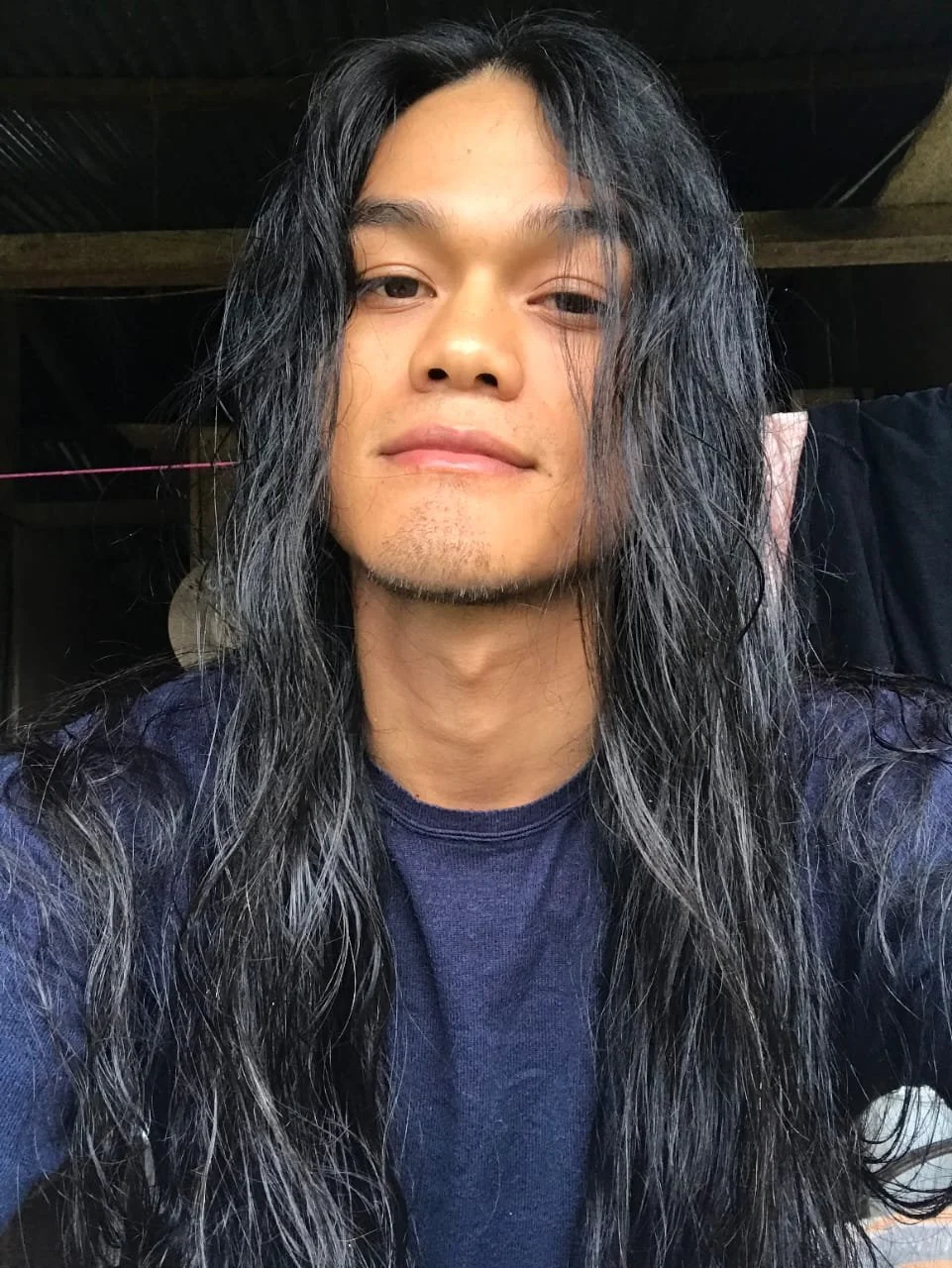
Forest, bodywork, music & territory — Putumayo, Colombia
Christian
“To enter a territory is first to ask permission.”
I met Christian during my first journey to Colombia. At the time, he was coming to the retreat to offer massages and chiropractic sessions. What touched me immediately was his gentleness — a quiet, delicate presence, and a way of caring for people that felt deeply respectful.
Over time, as I invited him back and we spent more time together, he became a friend. I discovered the same quality in the way he relates to the land. Before entering certain places, he asks permission. He approaches the forest, the rivers and the people around him with humility, attention and a sensitivity that is never forced.
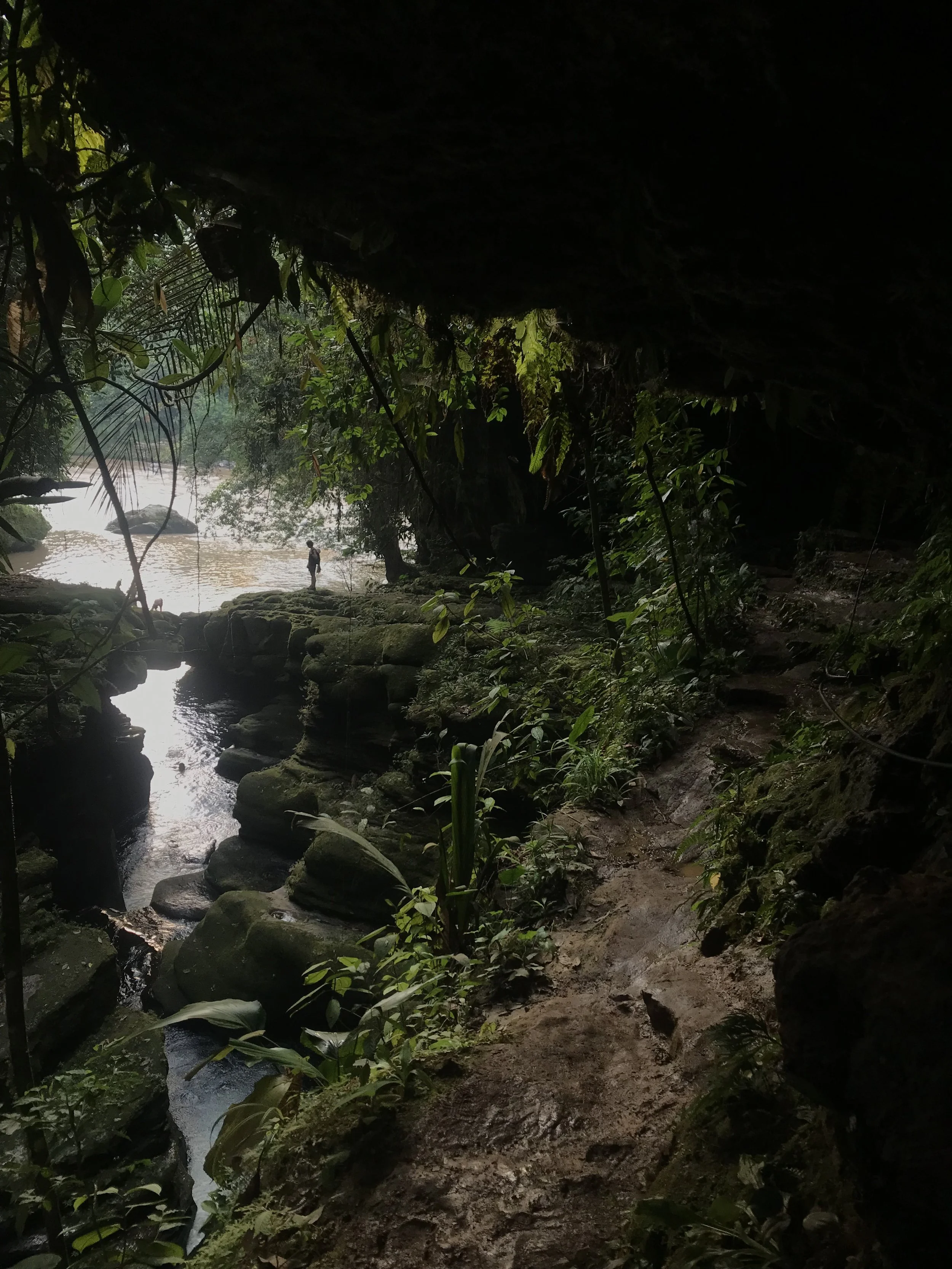
Christian is also a musician, a forest guide, and someone who knows the Putumayo through experience. He has taken us to places that feel hidden from the obvious routes — rivers, rocks, forest paths and quiet spaces where time seems to change. One of the memories I hold most strongly is a day by a sacred river, with a small fire, music and a rapé ceremony. It was simple, intimate and deeply alive.
What he brings to Casa Oraya is not only knowledge, but a way of moving through the territory. There is respect, curiosity and also something almost childlike in the way he invites people to discover — swimming, climbing rocks, walking through the jungle, listening, playing, noticing what is around them.
Through Christian, participants meet another side of the Putumayo: through the body, the forest, music, water, movement and the relationships that make a place feel alive.
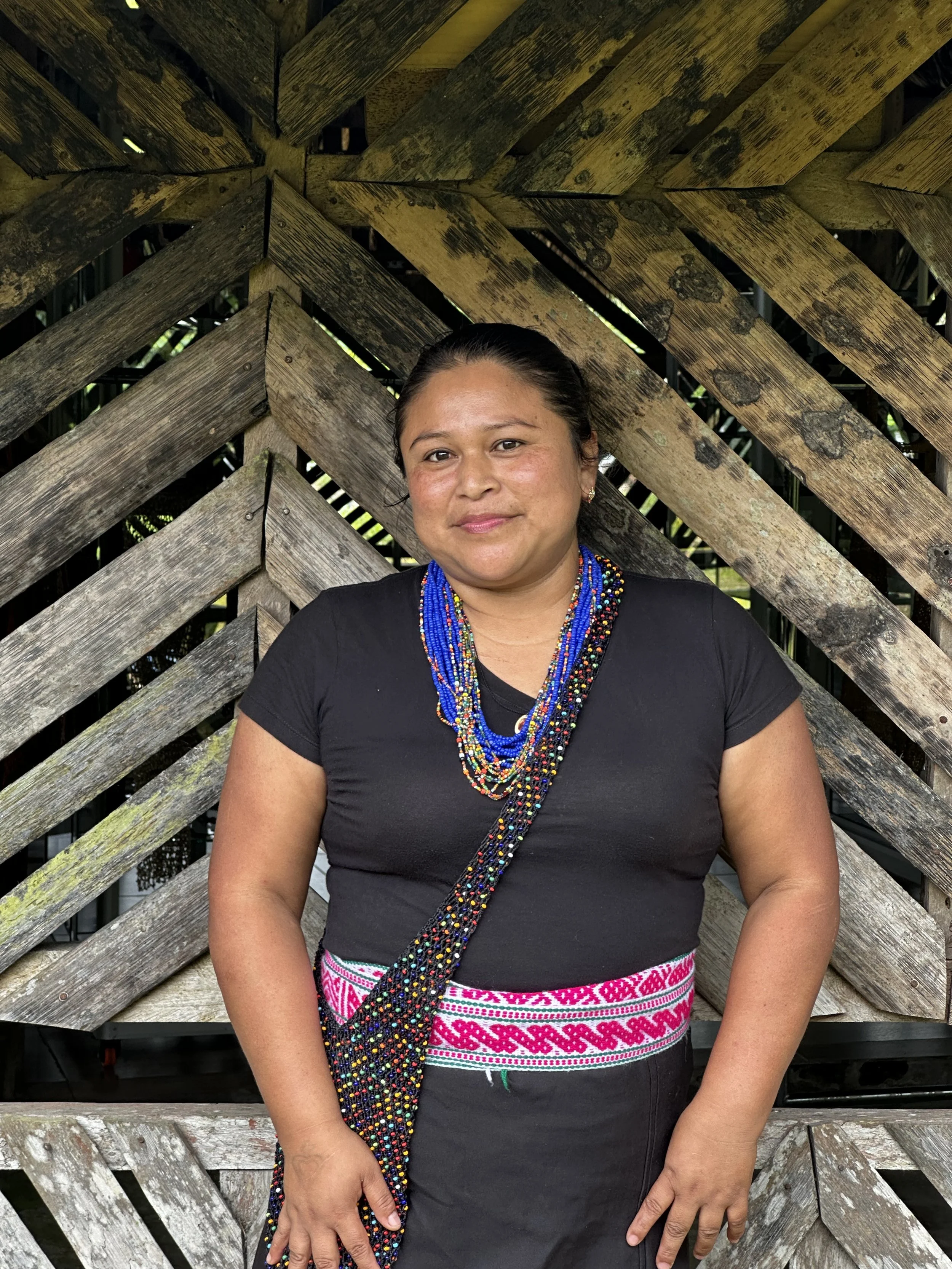
Inga knowledge, chagra & transmission — Condagua, Putumayo
Marta — Maíma
“Tradition stays alive when it continues to be shared.”
I met Marta through Natalia, who opened the door for me to meet the women of the Inga community of Condagua. That introduction became another of those bridges through which Casa Oraya slowly grows — one person connecting us to another, and a relationship beginning before any activity or programme exists.
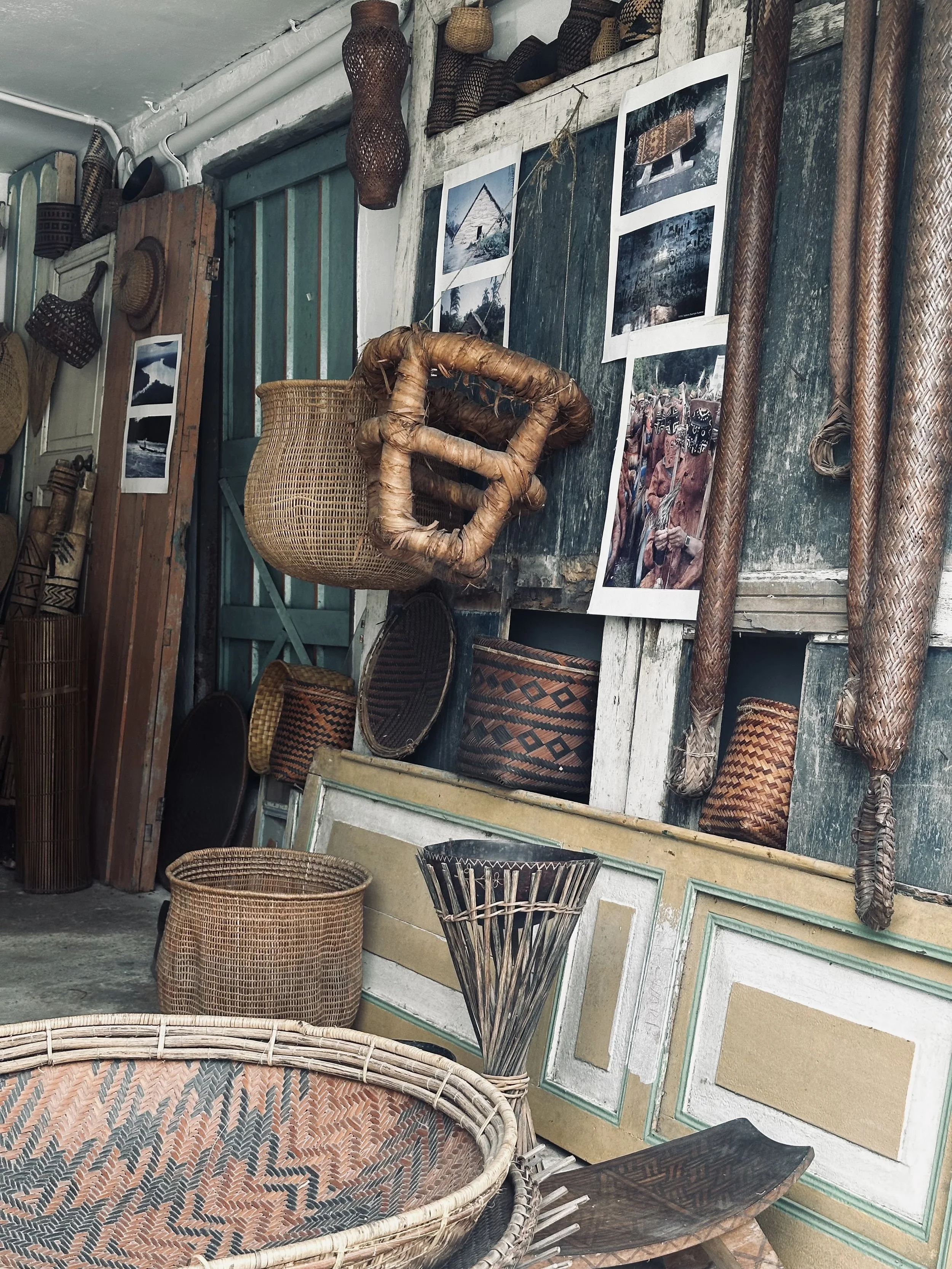
Marta carries a deep commitment to preserving and continuing the knowledge of her community. For her, tradition is not something to be displayed or kept in the past. It remains alive through practice — through the chagra, through seeds, weaving, making, conversation, and the passing of knowledge from one generation to another.
During the journeys, time with Marta and the women of the community is intentionally simple. We visit the chagra, discover plants and seeds, share conversations, work with our hands and spend time together. The value is not in observing a culture from the outside, but in entering a moment of exchange with people who continue to live and transmit their own knowledge in their own territory.
What touches me in Marta is this desire to protect without freezing, and to transmit without turning tradition into something decorative. Meeting her is also a reminder that knowledge survives because people continue to practise it, share it and give it a place in everyday life.