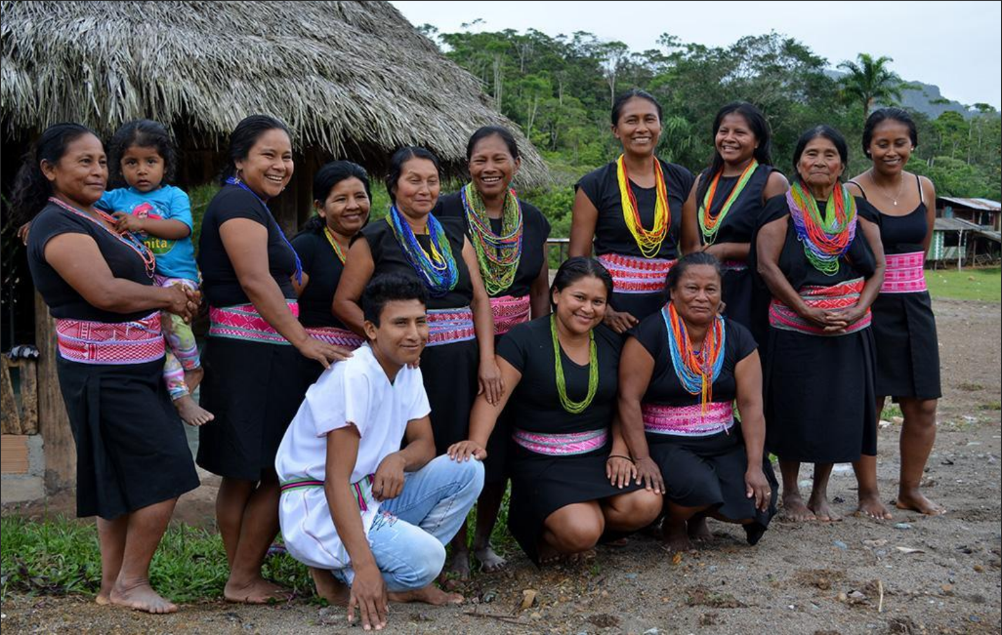
Mocoa — Colombia.
An intimate journey through the forest, the land and the people of Putumayo.
A journey made of encounters
In Mocoa, the journey unfolds through people.
A path through the forest may lead to a river. A conversation may begin around cacao. A morning may be spent discovering plants, another sharing food, walking through a finca, listening to a family story or sitting together after the rain.
There is no single centre to the experience.
Little by little, the territory reveals itself through the people who live there — through the way they cultivate, cook, create, care for the land, work with plants, gather around a fire or simply share time together.
Some encounters are quiet. Others are playful, physical or deeply moving.
What connects them is the possibility of entering another rhythm of life without trying to possess or reproduce it.
For a few days, you are invited to move through Putumayo with curiosity, attention and enough time for each encounter to leave its own trace.
Into the forest
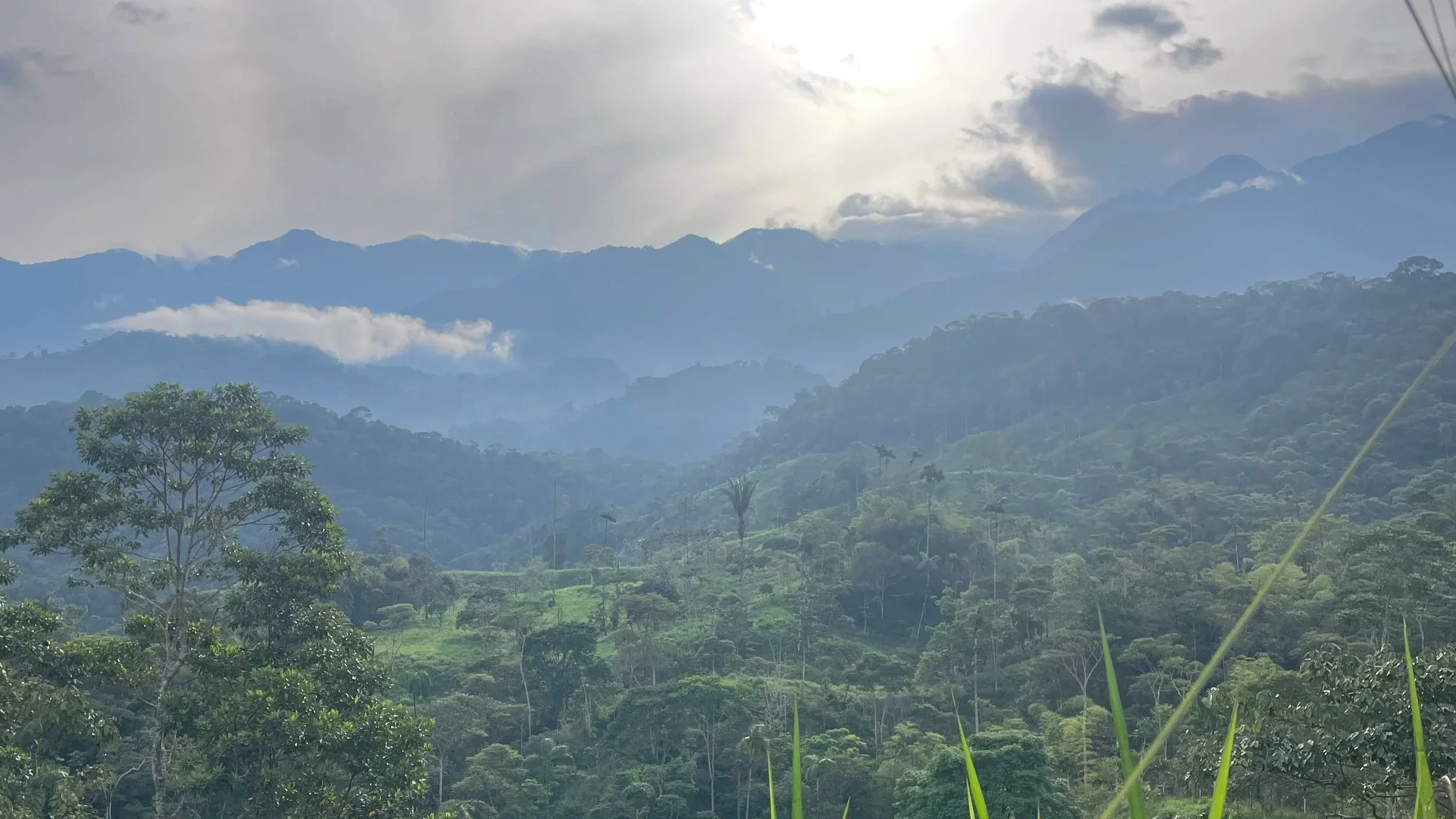
Some days begin by stepping into the forest.
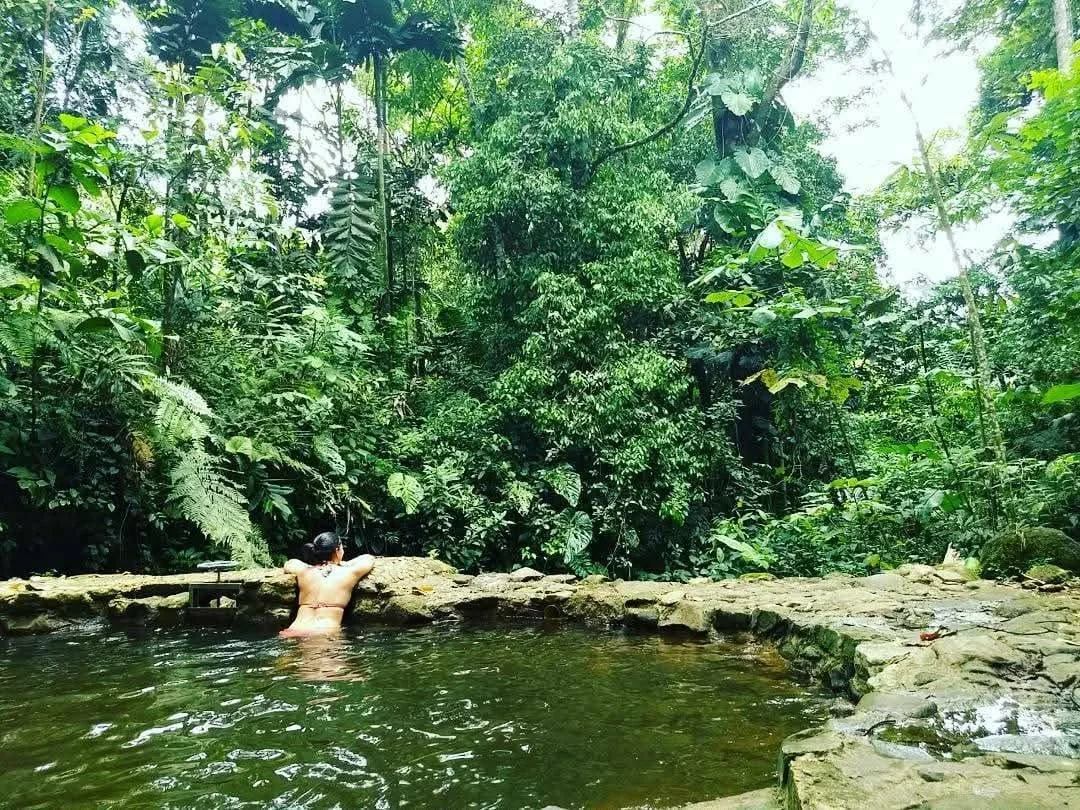
The air changes quickly. Paths narrow, water appears between the trees, and the body becomes part of the journey — walking, climbing, swimming, feeling the heat, the rain, the rocks beneath your feet.
With Christian, we discover places he knows through years of moving through this territory. Rivers, forest paths and quiet corners that are not approached as attractions to collect, but as places to enter with attention.
There is time to move and time to stop.
A massage may come after a long walk. A moment beside the water may last much longer than expected. A conversation begins on a rock and continues while walking back through the forest.
For part of the journey, we stay close to the Pawai reserve, near Fin del Mundo, where the forest becomes part of everyday life.
Here, the territory is not something we look at from a distance.
We move through it.
We get wet.
We get tired.
We laugh.
We listen.
And the body begins to understand the place in its own way.
Land, cacao and family
Other days bring us closer to the people who cultivate this land.
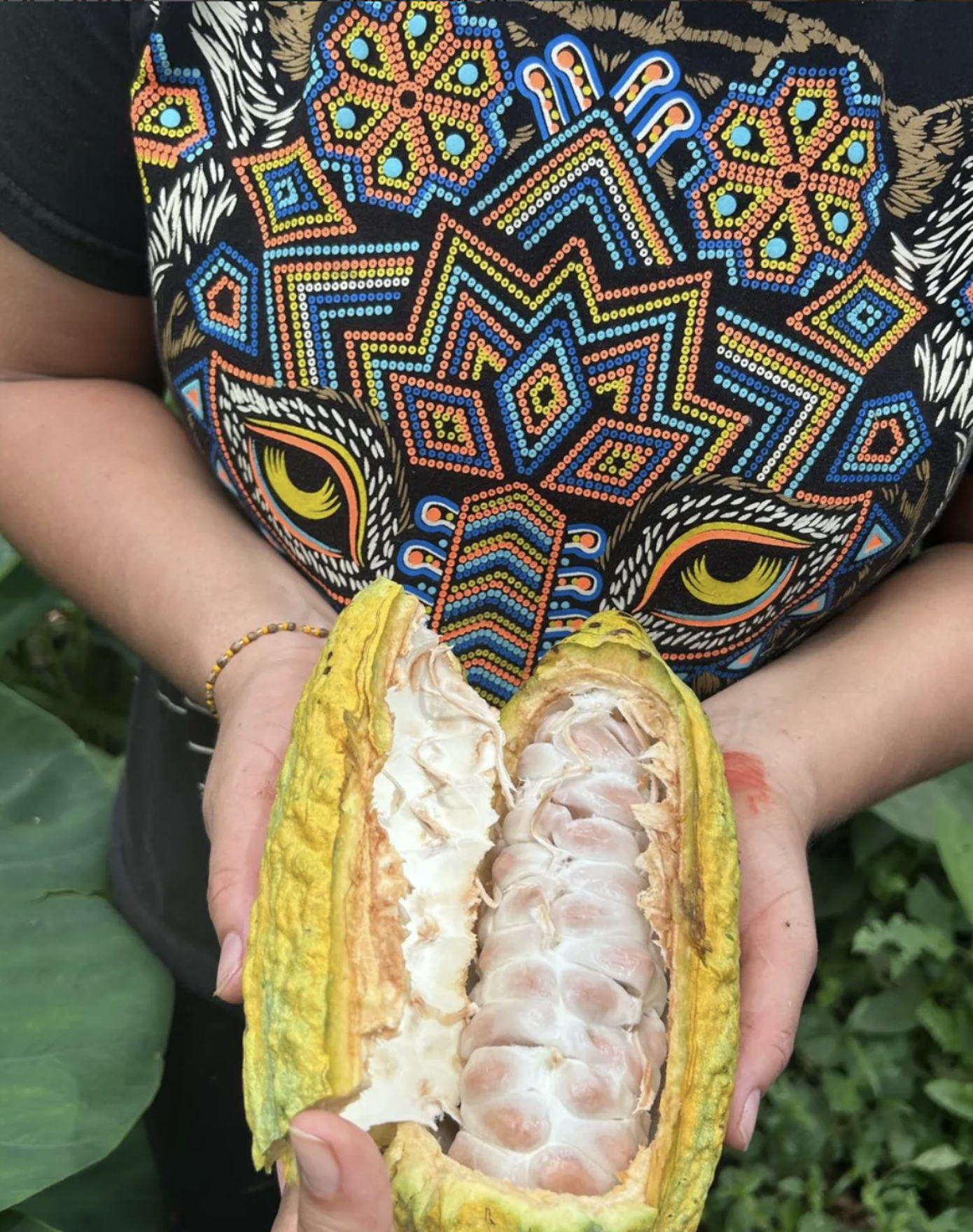
We may begin with cacao — not as something already prepared for us, but by meeting the people, the trees and the work behind it.
With Doña Leo, cacao becomes something touched, roasted, opened, transformed and shared around a table. Hands keep working while stories move between family, land and everyday life.
With Don Segundo, attention turns toward the soil. To what is planted, what feeds what, what is allowed to grow together, and how a piece of land can slowly become more abundant through years of observation and care.
Elsewhere, Tania and Daniel open the doors of La Realidad, where cacao grows inside a larger living system. Walking through the finca, one begins to understand that cultivation is also a relationship between shade, water, soil, plants and time.
Natalia brings us into another small world: that of the bees. Through her, honey, flowers and biodiversity become another way of observing how much life depends on relationships that are easy to overlook.
Cacao returns during the journey in different ways — sometimes around a table, sometimes through a ceremony, sometimes simply through the people who have spent years learning how to grow and work with it.
What stays is not only a taste.
It is the feeling of having met the hands, the land and the stories behind it.
Knowledge that stays alive by being shared
Throughout the journey, we meet people whose knowledge lives through practice.
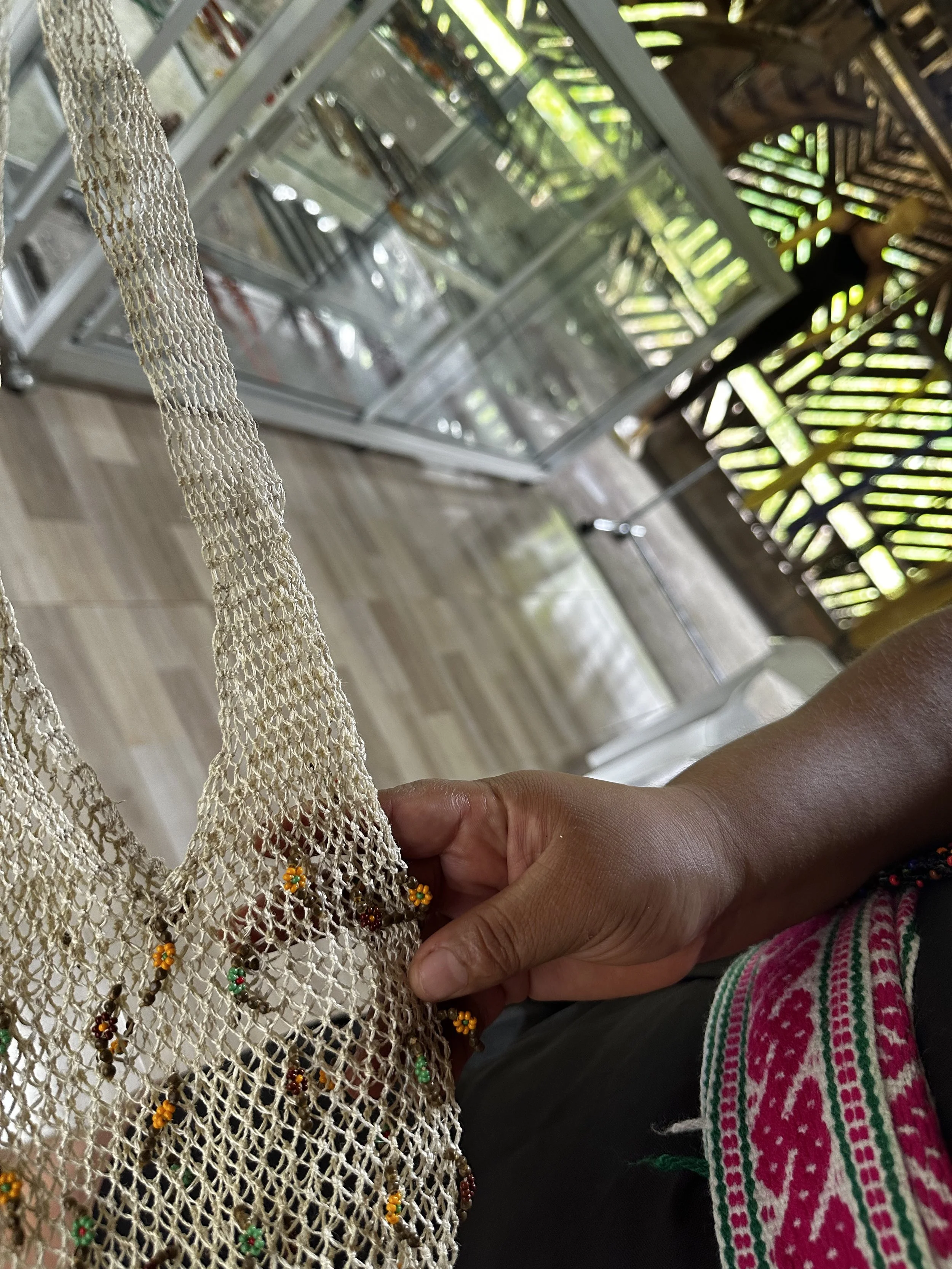
With Marta and the women of Condagua, time is spent in the chagra, among plants, seeds, hands and conversations. What is shared belongs to their own community and history, and is encountered through simple moments together — walking, making, listening, asking, learning.
There is something deeply grounding in seeing knowledge still connected to the gestures that keep it alive.
Later, another kind of space opens with Lorena.
Heat. Darkness. Water on hot stones. Songs rising inside the temazcal.
Her way of holding the space is gentle and deeply attentive. The experience is not something to rush through; afterwards, we leave time for quiet, rest and whatever may still be moving.
Plant baths may accompany other moments of the journey — bitter, then sweet — each belonging to a different rhythm and intention within the practices being shared.
None of these encounters asks us to become part of someone else’s tradition.
We come as guests.
To listen.
To participate with respect.
To understand a little more.
And to leave each practice where it belongs: with the people who carry it.
The frame
This journey moves through different places, people and experiences, but attention remains constant throughout.
We travel as a small group, leaving enough space to rest, speak, slow down and respond to what each person is living.
The rhythm is intentionally flexible. Some days are active, others quieter. Time is kept between encounters so that the journey does not become a collection of experiences to consume.
There is always space to step back, ask questions or simply take a little time for yourself.
What matters is not doing everything.
It is being present enough to what we are actually living.
This journey is immersive, but it is held with attention from beginning to end.
Practical information
Practical information
Practical information
Dates
6–13 February 2027
Location
Mocoa · Putumayo, Colombia
Setting
Forest reserve · rivers · fincas · local communities
Journey
Nature · cacao · land · temazcal · plant practices · encounters
Group
Small group
Languages
English · French · Spanish
Medicine
Optional at the end of the journey: ayahuasca ceremonies.
Price
€1,850
El Encano + Mocoa
€1,650 for participants continuing from El Encano
Come meet Putumayo with us
If this journey speaks to you, you are welcome to ask about the rhythm, the places we will visit, the people we meet or anything you would like to understand before joining us.